

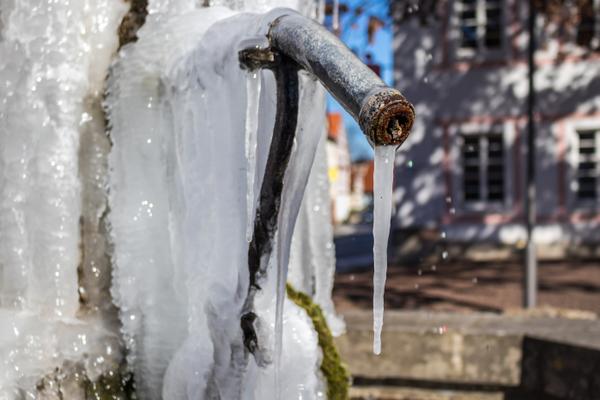
Frozen Pipes Maryland: Prevention Guide & Emergency Tips

Frozen Pipes in Maryland: Prevention Guide for Homeowners
When winter temperatures plunge across Maryland, homeowners face a costly and damaging threat: frozen pipes. A single burst pipe can release hundreds of gallons of water per hour, causing thousands of dollars in damage to your Frederick County home. Understanding how to prevent frozen pipes isn’t just about avoiding inconvenience—it’s about protecting your most valuable investment from devastating water damage.
Why Frozen Pipes Are a Serious Threat in Maryland
Maryland’s winter climate creates the perfect conditions for frozen pipes. Unlike states with consistently freezing temperatures where homes are built with extreme cold in mind, Maryland experiences frequent freeze-thaw cycles that catch many homeowners off guard. When temperatures drop below 20°F—which happens regularly in Frederick, Carroll, and Howard Counties during December through February—unprotected pipes are at serious risk.
The damage occurs when water inside pipes freezes and expands, creating pressure that can reach thousands of pounds per square inch. This pressure can cause pipes to crack or burst, often in hidden areas where the damage goes unnoticed until it’s extensive. According to insurance industry data, frozen pipe claims average between $5,000 and $25,000 in repair costs, with some cases exceeding $100,000 when structural damage and mold growth are factored in.
Frederick County’s elevation and geography make it particularly vulnerable. Areas like Thurmont, Walkersville, and Mt. Airy regularly see lower temperatures than Baltimore or the coastal regions, putting homes at higher risk. The combination of older housing stock in communities like Westminster and Manchester, along with newer construction in rapidly growing areas like Urbana and Ijamsville, means no neighborhood is immune to frozen pipe problems.
Understanding Maryland’s Unique Winter Climate Challenges
Maryland homeowners need to understand that it’s not just the cold temperatures that cause problems—it’s the rapid temperature swings. A mild 50°F afternoon can plunge to 15°F overnight, giving homeowners little warning. These dramatic shifts are common throughout Frederick County and surrounding areas, especially during January and February when Arctic air masses sweep through the region.
The state’s typical winter construction practices also contribute to the problem. Many Maryland homes built before modern building codes have pipes running through exterior walls, unheated crawl spaces, or poorly insulated attics. Even newer homes in developments throughout Eldersburg, New Market, and Monrovia can have vulnerable areas where builders prioritized other features over comprehensive pipe protection.
Most Vulnerable Areas in Your Maryland Home
Not all pipes in your home face equal risk. Knowing which areas are most susceptible helps you focus your prevention efforts where they matter most.
Exterior walls pose the greatest threat, particularly those facing north or exposed to prevailing winds. Pipes in exterior walls lack the protection of interior home heating and are directly exposed to freezing temperatures. Kitchen sinks and bathroom fixtures along outside walls are common failure points.
Unheated crawl spaces and basements create ideal conditions for frozen pipes. Many Frederick County homes have partial basements or crawl spaces where temperatures mirror outdoor conditions. Without adequate insulation and heat, pipes in these areas freeze quickly during cold snaps.
Garage water lines often go overlooked. Whether it’s a utility sink, washing machine hookup, or pipes passing through the garage to reach other parts of the house, these lines are exposed to near-outdoor temperatures, especially when garage doors are left open or poorly sealed.
Attic plumbing serving second-floor bathrooms or running hot water heaters can freeze when attic insulation doesn’t provide adequate protection. Even heated homes can have attics that drop below freezing during Maryland’s coldest nights.
Outdoor faucets and hose bibs are the most common freeze points. These exposed fixtures connect directly to your home’s plumbing system, and ice formation here can travel back into interior pipes, causing damage far from the outdoor connection point.
Essential Prevention Strategies Before Winter Arrives
The best time to prevent frozen pipes is before the first freeze warning hits Frederick County. Taking action in October or November, before the cold weather settles in, gives you the best protection.
Start by insulating all exposed pipes in vulnerable areas. Foam pipe sleeves are inexpensive and effective for pipes in basements, crawl spaces, and garages. For pipes in exterior walls that you can access, adding insulation around the pipes provides an extra layer of protection. Heat tape or heat cables offer active protection for particularly vulnerable sections, though they require careful installation according to manufacturer instructions to avoid fire hazards.
Seal cracks and openings in your home’s exterior that allow cold air to reach pipes. Check areas where pipes enter the house, around utility connections, and in foundation walls. Use caulk or spray foam to close these gaps. Don’t overlook the rim joist area in basements—this common trouble spot in Maryland homes lets frigid air circulate around pipes.
Disconnect and drain outdoor hoses completely. A water-filled hose connected to an outdoor faucet can cause the faucet and connecting pipe to freeze and burst. Store hoses indoors for the winter. If you have separate shut-off valves for outdoor faucets (common in newer Carroll County and Howard County homes), close these valves and drain the exterior section.
Consider installing frost-free hose bibs if your current outdoor faucets are traditional models. These specialized fixtures have the shut-off valve located inside the heated space of your home, preventing freeze damage to the outdoor fixture.
Service your heating system before winter begins. A furnace failure during a cold snap doesn’t just leave you uncomfortable—it puts your entire plumbing system at risk. Regular maintenance by a qualified HVAC technician ensures your heating system works when you need it most.
Protection During Cold Snaps and Winter Storms
When Frederick County temperatures are forecast to drop into the teens or single digits, take immediate protective action even if you’ve completed seasonal preparation.
Maintain consistent heat throughout your home. Set your thermostat no lower than 55°F, even when you’re away during the day. The cost of a slightly higher heating bill pales in comparison to frozen pipe damage and the water damage restoration services you’d need.
Open cabinet doors under sinks, especially those on exterior walls. This allows warm air from your home to circulate pipes. In bathrooms and kitchens along outside walls in homes throughout Westminster, Hampstead, and Taneytown, this simple step significantly reduces freeze risk.
Let faucets drip when temperatures drop into extreme ranges. A slow drip—not a stream—relieves pressure in the system and keeps water moving, making freezing less likely. Focus on faucets served by pipes in exterior walls or unheated spaces. The small amount of water wasted costs far less than emergency restoration services.
Keep garage doors closed as much as possible, especially during overnight hours when temperatures hit their lowest point. If you have water lines in your garage, this simple habit provides significant protection.
Monitor local weather forecasts closely during winter months. Frederick and Carroll County residents can sign up for weather alerts through local emergency management services, giving you advance warning of dangerous cold spells.
Special Precautions for Vacations and Extended Absences
Leaving your Maryland home unoccupied during winter requires extra planning to prevent frozen pipe disasters.
Never turn your heat off completely. Set the thermostat to at least 55°F throughout your absence. If you have a smart thermostat, monitor your home’s temperature remotely and receive alerts if temperatures drop unexpectedly.
For extended absences during the coldest months, consider shutting off your main water supply and draining the system. This eliminates the risk entirely but requires proper procedure. After shutting off the main valve, open all faucets (both hot and cold), flush toilets to drain tanks, and drain your hot water heater. Don’t forget to pour antifreeze (RV antifreeze, not automotive antifreeze) into drain traps to prevent them from freezing.
Arrange for regular property checks by a trusted neighbor, friend, or property management service. Someone should physically enter your home every few days during freezing weather to verify the heat is working and no problems have developed. For Monrovia, Ijamsville, and Woodsboro homeowners with vacation properties or seasonal absences, this oversight is critical.
Recognizing the Warning Signs of Frozen Pipes
Early detection of frozen pipes can prevent them from bursting and causing extensive damage. Learn to recognize these warning signs:
Reduced water flow or pressure from faucets is often the first indicator. If you turn on a faucet and only a trickle comes out—or nothing at all—you likely have ice blocking the line. This is especially common first thing in the morning after an overnight freeze.
Frost on exposed pipes is an obvious visual cue. If you can see frost on pipes in your basement, crawl space, or garage, those pipes are at or below freezing and require immediate attention.
Strange smells from drains or faucets can indicate frozen pipes. When water can’t flow properly through the system, sewer gases may back up into your home, creating unusual odors.
Visible bulging or warping in exposed pipes indicates ice has formed and is putting stress on the pipe walls. This is an emergency situation requiring immediate professional help.
Toilet tanks that won’t refill after flushing suggest frozen supply lines. Check whether other fixtures in your home are also affected to determine the scope of the problem.
What to Do If Your Pipes Freeze
If you discover frozen pipes in your Frederick County home, acting quickly and correctly can prevent them from bursting.
Keep the affected faucet open. As you apply heat and the ice begins to melt, water and steam need to escape. An open faucet relieves pressure and allows you to see when water flow resumes.
Apply gentle heat to the frozen section. A hair dryer, heat lamp, or electric heating pad works well. Start heating at the faucet and work back toward the frozen area. Never use open flames, propane torches, or other high-heat sources—these can damage pipes, start fires, or cause pipes to burst from rapid heating.
For pipes inside walls or other inaccessible areas, increase heat in the room and wait. Opening cabinet doors, using space heaters safely, and turning up the thermostat may be enough to thaw pipes you can’t reach directly.
Never attempt to thaw pipes if you suspect they’ve already burst. If you see water damage, bulging walls or ceilings, or hear water running when fixtures are off, shut off your main water supply immediately and call for professional help.
When to Call Professional Restoration Experts
Some frozen pipe situations require professional intervention from experienced water damage restoration specialists.
Contact CNR Restoration immediately if you suspect a pipe has burst. Our 24/7 emergency restoration services throughout Frederick, Carroll, Howard, and Baltimore Counties mean we can respond quickly to minimize damage. The first hours after a pipe bursts are critical for preventing secondary damage like mold growth and structural deterioration.
Professional help is also essential when frozen pipes are in inaccessible locations. Trying to access pipes inside walls or under slabs without proper tools and expertise can cause more damage than the frozen pipe itself. Our experienced technicians have the equipment to locate and safely thaw frozen pipes throughout your home.
If you’ve experienced previous frozen pipe problems in your Eldersburg, Hagerstown, or Owings Mills home, consider scheduling a professional winterization inspection. We can identify vulnerable areas and recommend targeted improvements to prevent future incidents.
Emergency Frozen Pipe Checklist
Immediate Actions:
- Shut off the main water supply if the pipe has burst
- Keep faucets open to relieve pressure
- Document damage with photos for insurance
- Call CNR Restoration: 24/7 emergency response
- Move valuables away from affected areas
- Place buckets under visible leaks
Do NOT:
- Use open flames or high-heat sources on pipes
- Ignore small leaks (they often get worse)
- Wait to call professionals if damage is occurring
- Attempt major repairs yourself
Understanding Insurance Coverage for Frozen Pipe Damage
Homeowners insurance typically covers frozen pipe damage, but coverage details matter. Most policies cover the cost of repairing burst pipes and the resulting water damage to your home, but may not cover the pipes themselves if the damage resulted from homeowner negligence.
Key factors insurance adjusters consider include whether you maintained adequate heat in the home, took reasonable precautions during cold weather, and responded appropriately once the problem was discovered. Homes left unoccupied during freezing weather without proper winterization often face claim denials or reduced payouts.
Document everything thoroughly if you experience frozen pipe damage. Take photos and videos of the damage, keep records of temperature conditions during the incident, and maintain receipts for emergency repairs and hotel stays. CNR Restoration works directly with insurance companies and can help document damage properly for your insurance claim.
Protect Your Maryland Home This Winter
Frozen pipes are preventable with proper preparation and vigilant monitoring during cold weather. Frederick County homeowners who take the prevention steps outlined in this guide significantly reduce their risk of experiencing this costly winter disaster.
Remember that prevention is always less expensive than restoration. The time you invest in insulating pipes, sealing air leaks, and monitoring your home during cold snaps pays dividends in avoided damage and peace of mind.
When frozen pipe problems do occur despite your best efforts, having a trusted local restoration partner makes all the difference. CNR Restoration has served Maryland homeowners throughout Frederick, Carroll, Howard, and Baltimore Counties with expert emergency water damage restoration services. Our certified technicians understand Maryland’s unique climate challenges and respond quickly to minimize damage when winter weather strikes.
Don’t wait until you’re dealing with a burst pipe emergency. Contact CNR Restoration today at (insert phone number) for a comprehensive home winterization assessment. We’ll identify vulnerable areas in your plumbing system and provide practical recommendations to protect your home all winter long. Our 24/7 emergency response team is always ready to help Maryland homeowners in Westminster, Mt. Airy, Urbana, Walkersville, and throughout our service area.
Protect your home, protect your investment, and enjoy peace of mind this winter with professional guidance from CNR Restoration—your local experts in water damage prevention and restoration.


