

What Qualifies as a Biohazard Emergency in Maryland Homes?

What Qualifies as a Biohazard Emergency in Maryland Homes?
When Sarah walked down to her Baltimore County basement on a Sunday morning, she expected to grab some holiday decorations. Instead, she found three inches of sewage-contaminated water pooling around her furnace. She stood frozen at the bottom of the stairs, uncertain whether this was something she could handle herself or if she needed to call professionals immediately. Like many Maryland homeowners, Sarah wasn’t sure what qualified as a true biohazard emergency versus a cleanup situation she could tackle with household supplies and determination.
Understanding the difference isn’t just about convenience or cost—it’s about protecting your family’s health and complying with Maryland regulations. This guide will help you identify genuine biohazard emergencies in your home, understand the health risks involved, and know exactly when to call CNR Restoration’s 24/7 emergency response team at (301) 476-0031.
What Exactly Is a Biohazard?
The term “biohazard” sounds dramatic, like something from a disaster movie rather than a typical household problem. In reality, biohazards are biological substances that pose threats to human health, and they appear in Maryland homes more frequently than most people realize. Unlike everyday messes that can be cleaned with standard household products, biohazards contain pathogens—disease-causing microorganisms that require specialized knowledge, equipment, and disposal methods to handle safely.
Biohazards in residential settings generally fall into three main categories. Biological contaminants include blood, bodily fluids, human tissue, and other materials that can transmit bloodborne pathogens like HIV, Hepatitis B, and Hepatitis C. These situations often arise from medical emergencies, accidents, or unattended deaths, and they carry significant infection risks even after the visible material has been cleaned.
Sewage and wastewater represent another major category of household biohazards. When toilets overflow beyond the bowl, sewer lines back up into basements, or septic systems fail, the resulting contamination contains bacteria, viruses, parasites, and other microorganisms from human waste. Restoration professionals classify this as “Category 3” or “black water”—the most dangerous type of water damage.
The third category includes chemical and pathogenic materials such as animal waste, decomposition byproducts, and materials contaminated by disease. Maryland’s humid climate and seasonal temperature swings create ideal conditions for rapid pathogen growth, making a quick professional response especially critical in our region. The Maryland Department of Health maintains specific codes governing how biohazards must be handled and disposed of, recognizing that improper cleanup can spread contamination rather than eliminate it.
Situations That Require Professional Biohazard Cleanup
Sewage Backups and Toilet Overflows
Not every toilet overflow constitutes a biohazard emergency. A small amount of clean water spilling from a toilet’s tank poses minimal risk. However, when sewage enters your home—whether from a backed-up toilet, a ruptured sewer line, or a failing septic system—you’re facing a genuine biohazard emergency Maryland homeowners must take seriously.
Category 3 water damage, or black water, contains harmful bacteria like E. coli and Salmonella, viruses including Hepatitis A, and parasites such as Giardia. When this contamination spreads across basement floors or soaks into drywall, carpeting, and insulation, every porous material becomes a vector for disease transmission. Maryland’s aging infrastructure in counties like Baltimore, Howard, and Montgomery means sewage backups occur more frequently than homeowners expect, particularly during heavy rainfall when combined sewer systems become overwhelmed.
The contamination doesn’t stop where you can see it. Sewage can seep into floor joists, behind walls, and through HVAC ductwork, spreading pathogens throughout your home. Professional water damage restoration addresses not just the visible mess but also the hidden contamination that threatens your family’s health long after the immediate crisis appears resolved.
Blood and Bodily Fluid Contamination
Medical emergencies, accidents, and unattended deaths create biohazard scenarios that many Maryland homeowners will face at some point. Blood and bodily fluids can transmit serious diseases, and the risk doesn’t disappear when the blood dries. Bloodborne pathogens can remain viable for days or even weeks on surfaces, creating ongoing exposure risks for anyone who enters the affected area.
These situations require more than just emotional resilience—they demand technical expertise in pathogen elimination. CNR Restoration approaches every blood cleanup with the discretion and respect these sensitive circumstances deserve. Our IICRC-certified technicians understand that behind every biohazard emergency involving bodily fluids, a family is dealing with trauma, grief, or medical crisis. We handle these situations with privacy as our paramount concern, working quickly to restore your home while protecting your family’s dignity.
Animal Waste and Decomposition
Maryland’s moderate climate with humid summers creates perfect conditions for wildlife to seek shelter in attics, crawl spaces, and wall voids. When rodents, raccoons, bats, or other animals take up residence, they leave behind urine, feces, and sometimes their own remains. What might seem like a minor pest problem quickly becomes a biohazard emergency when you consider the diseases these materials can carry.
Rodent droppings in particular pose serious risks. Hantavirus, transmitted through airborne particles from disturbed rodent waste, can cause severe respiratory illness. Leptospirosis spreads through contact with surfaces contaminated by rodent urine. Histoplasmosis develops when people inhale fungal spores from accumulated bat or bird droppings. Dead animals decomposing in walls or HVAC systems release bacteria and pathogens into your home’s air while creating conditions for secondary contamination.
Maryland homeowners in both urban and rural areas encounter these situations regularly. The state’s position along the Atlantic flyway, combined with extensive forests abutting suburban developments, means wildlife encounters are inevitable. When animal waste or decomposition creates a biohazard situation, professional removal and decontamination become essential, not optional.
Hoarding Situations
Hoarding disorders affect thousands of Maryland families, and the accumulated materials often create serious biohazard conditions. When clutter prevents normal cleaning and maintenance, biological waste can accumulate unnoticed. These situations might involve human waste, rotting food, pest infestations, mold growth, or all of these conditions simultaneously.
We approach hoarding cleanup with empathy and understanding. Mental health challenges contribute to these situations, and judgment helps no one. However, the health risks remain real regardless of their origin. Accumulated waste creates breeding grounds for bacteria, attracts rodents and insects that spread disease, and produces air quality problems that affect everyone in the home. Professional biohazard cleanup for hoarding situations requires specialized protocols that address both the physical contamination and the need for respectful, dignified service.
Mold Combined with Contamination
Maryland’s humidity levels regularly exceed 60% during the summer months, creating ideal conditions for mold growth. When mold develops alongside sewage contamination, decomposition, or other biohazards, you’re facing a compound emergency that requires expertise in multiple specialties. The mold itself poses respiratory risks, but when it’s growing on materials contaminated with sewage or bodily fluids, the danger intensifies significantly.
CNR Restoration’s mold remediation specialists understand how these situations escalate. Mold can begin colonizing wet materials within 24-48 hours, and when those materials contain biological contaminants, standard mold removal protocols aren’t sufficient. We approach these scenarios with integrated remediation strategies that address both the microbial growth and the underlying biohazard contamination.
Why Biohazard Emergencies Threaten Your Family’s Health
The health consequences of biohazard exposure range from minor infections to life-threatening illness, depending on the contaminant, exposure duration, and individual vulnerability. Understanding these risks helps explain why professional cleanup isn’t excessive caution—it’s necessary protection for your family.
Bacterial infections represent the most common immediate risk. E. coli, Salmonella, Shigella, and other bacteria found in sewage cause severe gastrointestinal illness. Staphylococcus and Streptococcus bacteria in blood and bodily fluids lead to skin infections, pneumonia, and in severe cases, sepsis. These infections can develop within hours of exposure and may require hospitalization, particularly for young children, elderly family members, or anyone with a compromised immune system.
Viral transmission through biohazards poses longer-term health consequences. Hepatitis A, B, and C viruses survive outside the body for extended periods and cause chronic liver disease. HIV, while less hardy outside the body, still requires proper decontamination protocols when blood is present. Norovirus and rotavirus in sewage-contaminated materials cause severe illness and spread easily through households.
Respiratory hazards emerge when biohazard materials become airborne. This happens more easily than most people realize—turning on your furnace after sewage has contacted ductwork, disturbing dried animal waste, or even walking across contaminated carpet can release pathogens into the air you breathe. These airborne exposures cause immediate symptoms like coughing and shortness of breath, but can also lead to chronic respiratory conditions, especially when mold is present alongside other contaminants.
Cross-contamination through HVAC systems represents one of the most insidious risks of biohazard emergencies. Your home’s heating and cooling system can distribute pathogens from a single contaminated area throughout your entire house. Bacteria, viruses, and mold spores enter ductwork and settle on surfaces in rooms far from the original contamination site. Children playing on floors, family members sleeping in beds, and everyday activities all become potential exposure events when your HVAC system has distributed contaminants.
Porous materials absorb biohazards deep into their structure, where surface cleaning cannot reach. Carpeting, upholstered furniture, drywall, and wood all act like sponges for contaminated liquids. Even after the surface appears clean, pathogens remain viable deep within these materials, continuing to threaten health and creating persistent odor problems. This is why professional biohazard cleanup often requires removal and disposal of affected materials rather than just cleaning them.
Maryland Regulations and Legal Requirements
Maryland law treats biohazard materials differently from regular household waste, and homeowners who attempt DIY cleanup may inadvertently violate state and federal regulations. The Maryland Department of Health classifies certain biohazards as regulated medical waste, requiring specific handling, packaging, transportation, and disposal procedures. Throwing biohazard materials into your regular trash isn’t just inadvisable—it’s illegal in Maryland.
OSHA’s Bloodborne Pathogen Standard establishes mandatory protocols for anyone handling blood or bodily fluids. While this federal regulation primarily targets workplaces, it defines the industry standards for safe biohazard cleanup. Professional restoration companies like CNR Restoration follow these protocols to protect both our technicians and your family. Attempting cleanup without proper training, equipment, and disposal methods exposes you to liability if someone becomes ill due to improper decontamination.
Landlords and property owners face particular legal exposure in biohazard situations. Maryland law requires landlords to maintain rental properties in habitable condition, which means prompt professional remediation of biohazard contamination. Delaying cleanup or attempting inadequate DIY methods can result in tenant lawsuits, health department citations, and insurance claim denials. Property owners who rent to tenants should never attempt biohazard cleanup themselves—the legal and financial risks are too substantial.
Insurance companies increasingly require documentation of professional biohazard cleanup before approving claims. Your homeowner’s policy may cover the restoration costs, but insurers want proof that decontamination met industry standards. Professional restoration companies provide the detailed documentation, certifications, and clearance testing that insurance adjusters require. Understanding your coverage and the claims process can make a significant difference in your out-of-pocket costs for water damage and contamination situations.
Making the Right Call for Your Maryland Home
Always Requires Professional Biohazard Cleanup
Certain situations always require professional intervention, regardless of the size of the affected area. Any sewage contamination beyond a minor toilet overflow demands professional cleanup. The pathogens in sewage pose immediate and serious health risks that household cleaning products cannot address. Blood from unknown sources or in quantities larger than a minor cut should be handled by trained professionals equipped with proper PPE and disposal methods. When you don’t know the source of blood contamination, you must assume the presence of bloodborne pathogens.
Decomposition or significant bodily fluid contamination requires specialized cleaning protocols, EPA-registered disinfectants, and certified disposal methods. Hoarding situations with accumulated waste need a comprehensive assessment and systematic decontamination that addresses visible materials and hidden contamination. Chemical spills or unknown substances should never be handled without expert evaluation—mixing cleaning chemicals with unknown materials can create toxic reactions or worsen contamination.
Situations You Might Handle With Proper Precautions
Minor pet urine on sealed, non-porous surfaces like tile or finished hardwood can be cleaned by homeowners using appropriate products and thorough ventilation. Small surface mold patches covering less than 10 square feet, provided they’re not growing on contaminated materials and don’t involve any underlying moisture problems, might be manageable with proper safety equipment. Fresh animal droppings from a pet or recently discovered wildlife intrusion can be handled if you wear proper protective equipment, work in a well-ventilated area, and dispose of materials correctly.
However, even these “minor” situations require caution. If you have any doubt about the safety of handling a cleanup yourself, or if the contamination involves any of the factors described in the professional cleanup section, calling for expert assessment is always the smarter choice. The risk of exposure or inadequate decontamination far outweighs the cost of professional service.
When in Doubt
Uncertainty itself is a valid reason to contact CNR Restoration for a professional assessment. We offer consultations that help Maryland homeowners make informed decisions about their specific situations. Our IICRC-certified technicians can evaluate the extent of contamination, identify hidden risks you might not have considered, and provide clear recommendations on whether professional cleanup is necessary.
Remember that attempting DIY cleanup on genuine biohazard emergencies often makes the situation worse. Improper cleaning techniques spread contamination to previously unaffected areas. Inadequate disinfection leaves viable pathogens that threaten health for weeks or months. Using the wrong cleaning products can damage materials or create chemical hazards. The few hundred dollars you might save attempting DIY cleanup can easily become thousands in medical bills, repeated cleanup attempts, or property damage from improper methods.
The CNR Restoration Biohazard Response Process
Professional biohazard cleanup involves far more than most homeowners realize. Our IICRC certification represents hundreds of hours of specialized training in contamination types, remediation protocols, and safety procedures. This certification isn’t optional or cosmetic—it demonstrates that our technicians understand pathogen transmission, proper disinfection contact times, and the specific methods required for different contamination scenarios.
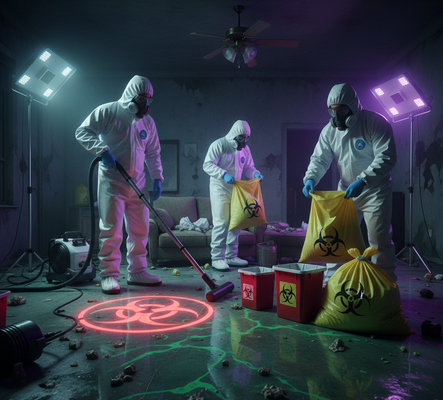
Proper personal protective equipment extends well beyond household rubber gloves and a dust mask. Our technicians wear full-body protective suits, respirators with HEPA filtration, face shields, and multiple layers of gloves during biohazard cleanup. We bring complete changes of clothing and decontamination supplies to prevent carrying pathogens from your home. This level of protection isn’t paranoia—it’s recognition of the genuine dangers these materials pose.
Containment procedures prevent contamination from spreading during cleanup. We seal off affected areas with plastic barriers and negative air pressure systems that ensure airborne particles don’t migrate to clean areas of your home. HVAC systems are disabled or sealed off to prevent the distribution of pathogens through ductwork. We create designated entry and exit routes with decontamination stations, ensuring nothing leaves the work area except through proper protocols.
EPA-registered disinfectants are applied at specific concentrations for required contact times based on the contaminant involved. Killing bacteria requires different products and contact times than viral decontamination. The disinfectants must remain wet on surfaces for specified periods—typically 10 minutes or longer—to ensure complete pathogen elimination. Proper application requires understanding which products work on which materials without causing damage, and how environmental factors like temperature and humidity affect disinfectant effectiveness.
Material disposal follows Maryland regulations for biohazard waste. Contaminated materials are bagged in specific containers marked with biohazard symbols, sealed, and transported to licensed medical waste disposal facilities. We maintain chain-of-custody documentation for all disposed materials, providing you with proof of proper handling that satisfies insurance companies and regulatory agencies.
ATP testing and clearance verification provide objective confirmation that decontamination is complete. Adenosine triphosphate testing detects biological contamination at the molecular level, revealing pathogens that surface inspection would miss. We conduct clearance testing before declaring any biohazard cleanup complete, giving you documented proof that your home is safe for reoccupancy.
CNR Restoration maintains 24/7 emergency availability for Maryland biohazard emergencies because these situations don’t respect business hours. We understand that the middle of the night or a holiday weekend is often when you discover contamination. Our rapid response limits pathogen exposure time and prevents contamination from spreading, reducing both health risks and restoration costs.
Protecting Your Family While Waiting for CNR Restoration
The minutes between discovering a biohazard emergency and professional arrival are critical for protecting your family’s health. Your first action should be the immediate evacuation of the contaminated area. Don’t allow anyone to walk through sewage water, touch blood or bodily fluids, or remain in areas with strong odors that might indicate decomposition or chemical contamination.
Close all doors leading to the affected area to limit airborne pathogen spread. If the contamination is in a basement, close the basement door. If it’s in a bathroom, close the bathroom door and seal the gap at the floor with towels if possible. This containment won’t stop all migration, but it reduces exposure risk for the rest of your household.
Turn off your HVAC system immediately if contamination has contacted vents, ducts, or if the affected area has return air registers. Running your heating or cooling system can distribute pathogens throughout your entire home within minutes. The temporary discomfort of losing climate control is far preferable to exposing every room to biohazard materials.
Keep children and pets completely away from the contaminated area. Young children don’t understand contamination risks and may be attracted to water or interesting odors. Pets may track contamination throughout your home or ingest harmful materials. Secure all people and animals in clean areas of the home or consider temporary relocation to a family member’s house if the contamination is extensive.
Do not attempt to clean or even touch contaminated materials before professional help arrives. This warning applies even to obvious steps like picking up fallen items or soaking up standing water. Every contact with biohazard materials is an exposure risk, and untrained cleanup attempts typically spread contamination rather than contain it. Your instinct to “do something” is understandable, but restraint protects your health better than premature action.
Document the situation with photographs from a safe distance if possible. Insurance claims often require visual evidence of the damage and contamination. Take photos from doorways or other safe vantage points without entering contaminated areas. This documentation proves valuable for insurance purposes and helps restoration professionals prepare appropriate equipment before arrival.
Call CNR Restoration immediately at (301) 476-0031 for emergency dispatch. Our response time across Maryland typically ranges from 60 to 90 minutes, depending on your location and current weather conditions. We serve the entire state, from Baltimore and Howard counties through Frederick, Carroll, and Montgomery counties. Our dispatcher will provide specific guidance for your situation and give you an accurate arrival time estimate.
Protecting Your Maryland Home from Biohazard Emergencies
What qualifies as a biohazard emergency in Maryland homes encompasses far more situations than most residents realize. Sewage backups, blood contamination, animal waste, hoarding conditions, and combinations of these factors with mold all require professional intervention. The health risks extend beyond immediate illness to long-term consequences from improper cleanup, while Maryland regulations and insurance requirements demand professional documentation and disposal methods.
Maryland’s climate, aging infrastructure, and dense housing patterns make biohazard emergencies particularly common and dangerous in our region. Humidity accelerates mold growth on contaminated materials. Older sewer systems in established neighborhoods fail more frequently. Our proximity to both urban centers and wildlife corridors increases animal intrusion risks. These regional factors mean Maryland homeowners need ready access to qualified biohazard cleanup professionals.
The stakes are too high to gamble on DIY approaches. Your family’s health, your property’s value, your insurance coverage, and your legal liability all depend on proper biohazard cleanup. Professional restoration costs far less than medical treatment for preventable illnesses, property damage from inadequate cleanup, or legal judgments from exposure incidents affecting family members or tenants.
Biohazard situations worsen with every passing hour. Bacteria multiply, viruses remain viable, mold colonizes wet materials, and contamination spreads through your home’s systems and structure. The sooner professional cleanup begins, the less extensive the damage becomes and the lower your total restoration costs.
CNR Restoration’s IICRC-certified technicians bring specialized training, professional equipment, and comprehensive experience to every Maryland biohazard cleanup emergency. We maintain 24/7 availability because we understand these situations don’t wait for convenient timing. Our discreet service respects your privacy during sensitive situations, arriving in unmarked vehicles and working efficiently to restore your home’s safety.
Don’t let confusion about what qualifies as a biohazard emergency delay your response. When you discover sewage, blood, significant animal waste, or decomposition in your Maryland home, immediate professional help protects your family’s health and your property’s value. Contact CNR Restoration at (301) 476-0031 or visit our contact page for 24/7 emergency biohazard response throughout Maryland.


